orgatma

Welcome to Orgatma Family. By Shopping here, you have supported Rural Women Empowerement and we thank you for supporting us.

Enjoy free delivery on orders above 10 kg. Shop our chemical-free grocery range now!
Need help? Call Us: 08956236958
Orgatma

Honey — golden, sweet, and healing — is a timeless treasure of nature. But have you ever wondered how this liquid gold travels from buzzing bees to the jar sitting on your kitchen shelf? The journey is nothing short of magical, deeply rooted in rural tradition, hard work, and nature’s precision.

Let’s take you through the beautiful and fascinating journey of a honey jar — from bee farm to your table, highlighting the role of village women who preserve and pass down this ancient craft.

Copilot_20250621_114744-595x397

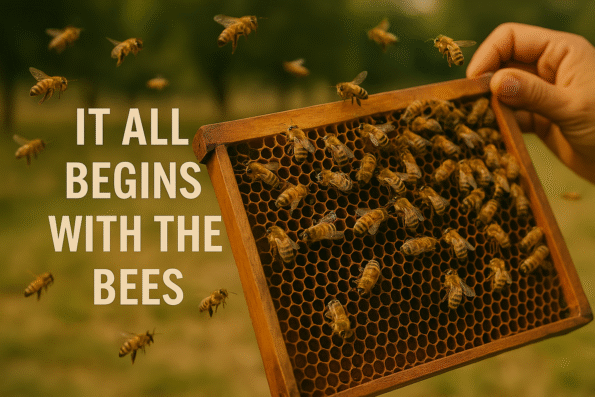
🐝 1. It All Begins with the Bees

At the heart of every honey jar are hardworking bees. In rural apiaries or village beekeeping farms, bees are raised in wooden hives placed in flower-rich fields or forests. These bees visit thousands of flowers a day to collect nectar.

👩‍🌾 2. The Role of Village Women in Beekeeping

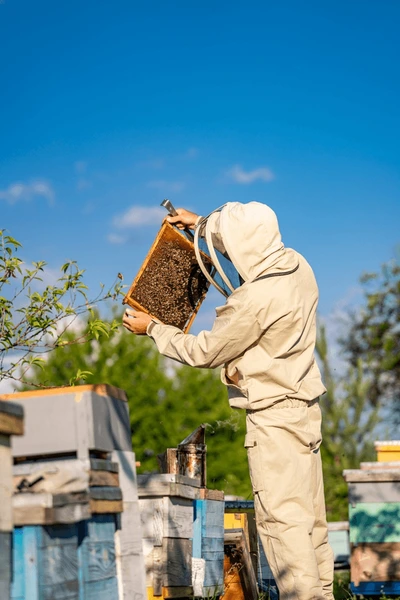
In many Indian and global villages, women play a pivotal role in sustainable beekeeping. Trained in ethical honey harvesting, they care for the hives, monitor bee health, and ensure the environment remains chemical-free. These women, often part of self-help groups, are empowered through beekeeping as a source of income and community pride.

Their gentle handling and deep respect for nature result in pure, raw honey — unfiltered and unadulterated.

CATEGORIES

RECENT COMMENTS

YOU MAY ALSO LIKE…

POPULAR POST
SOCIAL MEDIA
Facebook
Twitter
Instagram
LinkedIn

WIDGET BANNER

righthome

TAGS

🧺 3. Harvesting the Honey

  • Once the honeycomb frames are full, manual extraction begins:

    • The combs are carefully removed from the hives.

    • A warm knife or steam is used to uncap the wax layers.

    • Honey is spun out using traditional or mechanical extractors.

    • It is then filtered naturally to remove impurities, but not the nutrients.

    This stage is often carried out by village women in hygienic, home-based or small-scale honey processing units.

man-bee-suit-holding-beehive-600nw-2346221291

🍯 4. Bottling the Liquid Gold

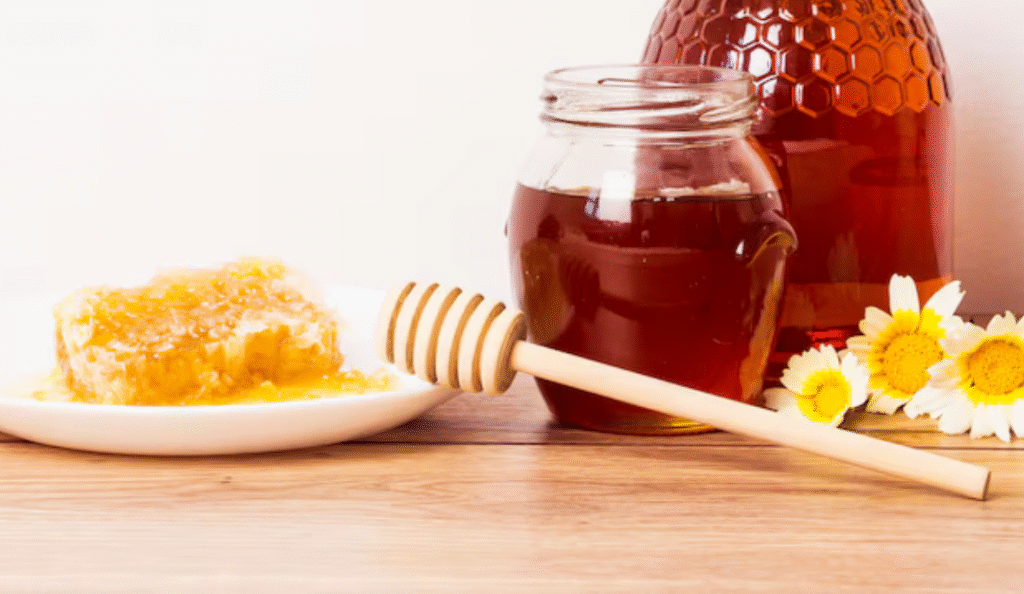
After extraction, the honey is filled into clean glass jars, without pasteurization or additives. The process retains enzymes, antioxidants, and beneficial bacteria — making it far superior to commercial honey.

Many artisan honey brands also label the jars by hand, adding a personal touch that celebrates the community behind the product.

🏡 5. From Farm to Your Table

The final step is distribution — directly through local farmers’ markets, organic stores, or online platforms. By purchasing such honey, you:

  • Support rural women and small-scale beekeepers

  • Promote chemical-free, sustainable farming

  • Enjoy authentic taste and nutritional benefits

Conclusion

Every spoonful of natural honey carries a story of harmony between humans and nature, and the silent efforts of thousands of bees and rural artisans — especially women — who tend to them with care.

So next time you swirl that golden nectar into your tea or drizzle it on your toast, remember: You’re tasting the result of a journey filled with love, tradition, and sustainability.

You must be logged in to post a comment.

Scroll to Top