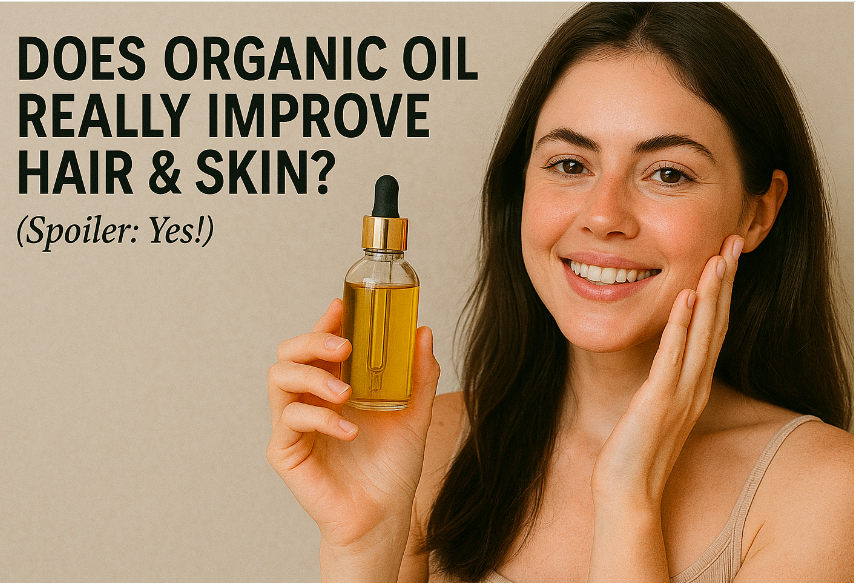

In a world filled with chemical-laden beauty products and synthetic formulas, one ancient remedy continues to stand tall: organic oils. Whether it’s coconut, argan, castor, jojoba, or almond oil — these nutrient-rich elixirs have long been hailed for their powerful effects on hair and skin health.But in the age of evidence and skepticism, one question remains:
Does organic oil really work?
Spoiler alert: YES, it absolutely does! Let’s dive into the science, benefits, and the real reasons why organic oil should have a spot in your daily self-care routine.
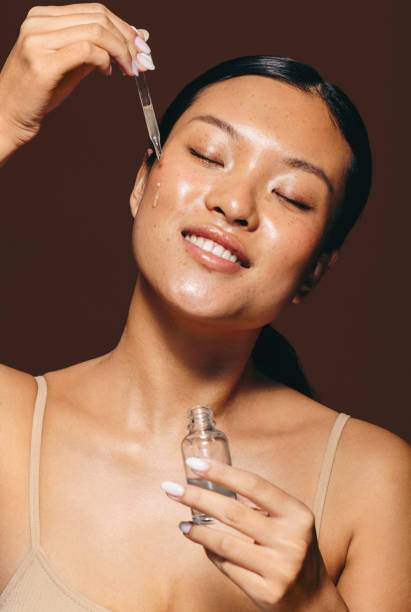
✨ Organic Oils for Glowing Skin
CATEGORIES
RECENT COMMENTS
YOU MAY ALSO LIKE…
POPULAR POSTS
SOCIAL MEDIA
WIDGET BANNER
TAGS
- america
- blogs
- coconutoils
- coldpressed
- coldpressedgroundnutoils
- coldpressedoils
- Cooking
- cookingoil
- eatingoil
- edibleoil
- export
- goodoil
- groundnutoils
- healthbenefitsofgroundnutoil
- healthyoil
- indiancooking
- kalonjioil
- mustardoil
- Organic
- orgatmablogs
- Orgatmaoils
- refinedoils
- saynottorefinedoils
- sesameoil
- unrefinedoils
- USA
1. Hydration Without Harm
Unlike lotions with alcohol or parabens, organic oils:
- Mimic skin’s natural lipids
- Seal in moisture
- Restore the skin barrier
Try jojoba oil — it’s closest to human sebum and perfect for all skin types!
2. Anti-Aging & Antioxidants
Organic oils are packed with vitamins A, C, and E which:
- Fight free radicals
- Reduce fine lines
- Promote collagen production
Use argan oil or rosehip oil daily for a natural, non-greasy glow.
3. Soothes Acne & Inflammation
Yes, some oils are non-comedogenic and actually help acne! Oils like grapeseed and tea tree oil reduce:
- Bacterial buildup
- Redness
- Oil overproduction
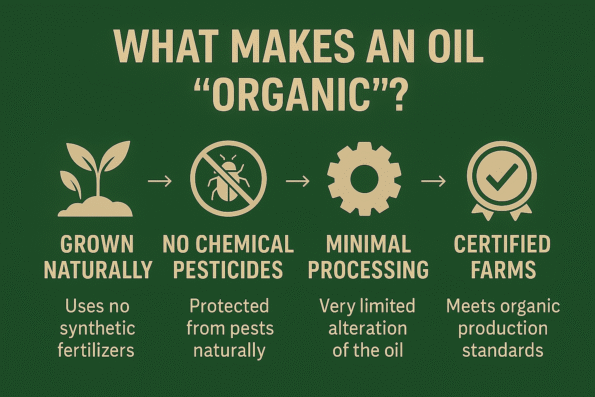
What Makes an Oil “Organic”
Organic oil is derived from plants grown without harmful pesticides, synthetic fertilizers, or GMOs. The extraction process is natural (usually cold-pressed), ensuring the oil retains maximum nutrients, antioxidants, and essential fatty acids.
That means you’re not just applying oil — you’re nourishing your body with a pure, unaltered botanical concentrate.
Benefits of Organic Oils for Hair
1. Deep Nourishment
Organic oils penetrate the scalp and hair shaft better than synthetic products, providing:
- Fatty acids that strengthen strands
- Vitamin E that boosts shine and elasticity
- Moisture-locking properties for dry, brittle hair
2. Stimulates Hair Growth
Oils like castor and coconut oil are rich in ricinoleic acid and lauric acid, respectively — known to:
- Improve blood flow to hair follicles
- Reduce hair fall
- Encourage regrowth in thinning areas
3. Treats Dandruff & Itchy Scalp
Oils like castor and coconut oil are rich in ricinoleic acid and lauric acid, respectively — known to:
- Tea tree, neem, and coconut oils have antibacterial and antifungal properties that help:
- Soothe inflammation
- Balance scalp oil production
- Eliminate flakiness naturally
🧴 Organic vs. Regular Oils: What’s the Difference?
| Feature | Organic Oil | Regular/Refined Oil |
|---|---|---|
| Source Quality | Non-GMO, chemical-free plants | Often mass-produced |
| Processing Method | Cold-pressed, natural extraction | High-heat or chemically refined |
| Nutritional Value | Retains full nutrients | Nutrient-stripped |
| Skin & Hair Safety | Non-toxic, gentle | May contain residues, additives |
Conclusion
Yes — organic oils are 100% effective in improving hair and skin, provided they are pure and used properly. Nature has always offered the best remedies, and switching to organic oils means choosing clean, effective, and sustainable self-care.
So, if you’re tired of empty promises in fancy bottles, go back to your roots. Let nature work its magic — one drop at a time.
You must be logged in to post a comment.